
The Ultimate Guide to the Modern Liquor Industry
The liquor industry is one of the most established and influential sectors in the global consumer goods market. It spans centuries of tradition while continuously adapting to modern consumer expectations, technological advancements, and evolving regulatory environments. From large multinational distilleries to small craft producers, the industry represents a diverse ecosystem of innovation, culture, and commerce that continues to expand across both developed and emerging markets.
Evolution of the Global Liquor Market
Over the past few decades, the global liquor market has experienced significant transformation driven by globalization and changing consumer lifestyles. Traditional consumption patterns centered around local spirits have expanded to include international brands and premium imported products. This shift has been supported by improved distribution networks, e-commerce growth, and increased exposure to global drinking cultures through travel and media.
Consumer Behavior Shifts
Modern consumers are far more selective and informed compared to previous generations. There is a growing preference for premium, craft, and authentic liquor brands that offer unique stories, heritage value, and carefully crafted flavor profiles. Additionally, younger consumers are more health-conscious, often moderating their alcohol intake or opting for low-alcohol and alcohol-free alternatives that still deliver a social drinking experience.
Test Dato
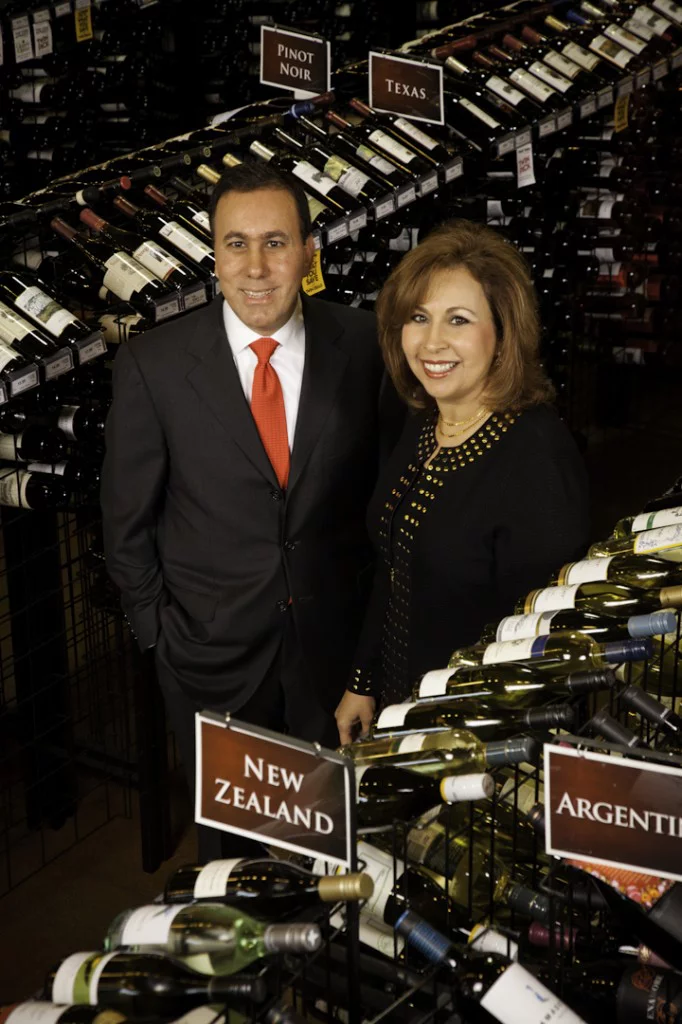
Modern consumers are far more selective and informed compared to previous generations. There is a growing preference for premium, craft, and authentic liquor brands that offer unique stories, heritage value, and carefully crafted flavor profiles. Additionally, younger consumers are more health-conscious, often moderating their alcohol intake or opting for low-alcohol and alcohol-free alternatives that still deliver a social drinking experience.
Main heading from feild
This is the main introduction paragraph. It gives an overview of the topic and helps the reader understand what the content is about.
Subheading Level 1
This paragraph provides more details about the first section. It expands on the topic and adds useful information for the reader.
Subheading Level 2
Here, the content goes deeper into the subject. This level is useful for breaking down complex ideas into smaller parts.
Subheading Level 3
This section includes supporting details or additional explanations. It should be used only when necessary to avoid too much complexity.
Another Subheading
This is another section that continues the discussion. It keeps the content structured and easy to follow with clear separation between topics.